Turning AI into revenue: the monetization strategy that boosted profits by 40%
- Company
- Jusbrasil
- Year
- 2025
- Status
- Shipped
The problem
Jusbrasil launched a new AI product to establish itself as an AI-first company in the Brazilian legal market.
The challenge was to find a way to monetize AI without breaking user trust or interrupting the value users were getting from it.
The signal
AI created value differently from our subscription, so I analyzed beta testers' behavior and sessions to find where the new AI product added real value.
- 01
Legal drafting
Users experienced value immediately after generating a useful legal draft.
- 02
Legal research
Completing a research task was another strong moment of perceived value.
The opportunity
We could monetize the moment users understood the value.
Instead of placing AI behind a generic paywall, we explored a contextual model and set usage limits based on how the beta testers behaved.
Exploration
I explored how AI products connect value with monetization.
Benchmarking research
I benchmarked Notion AI, Grammarly, Claude and ChatGPT to understand how they positioned upgrades around AI usage.
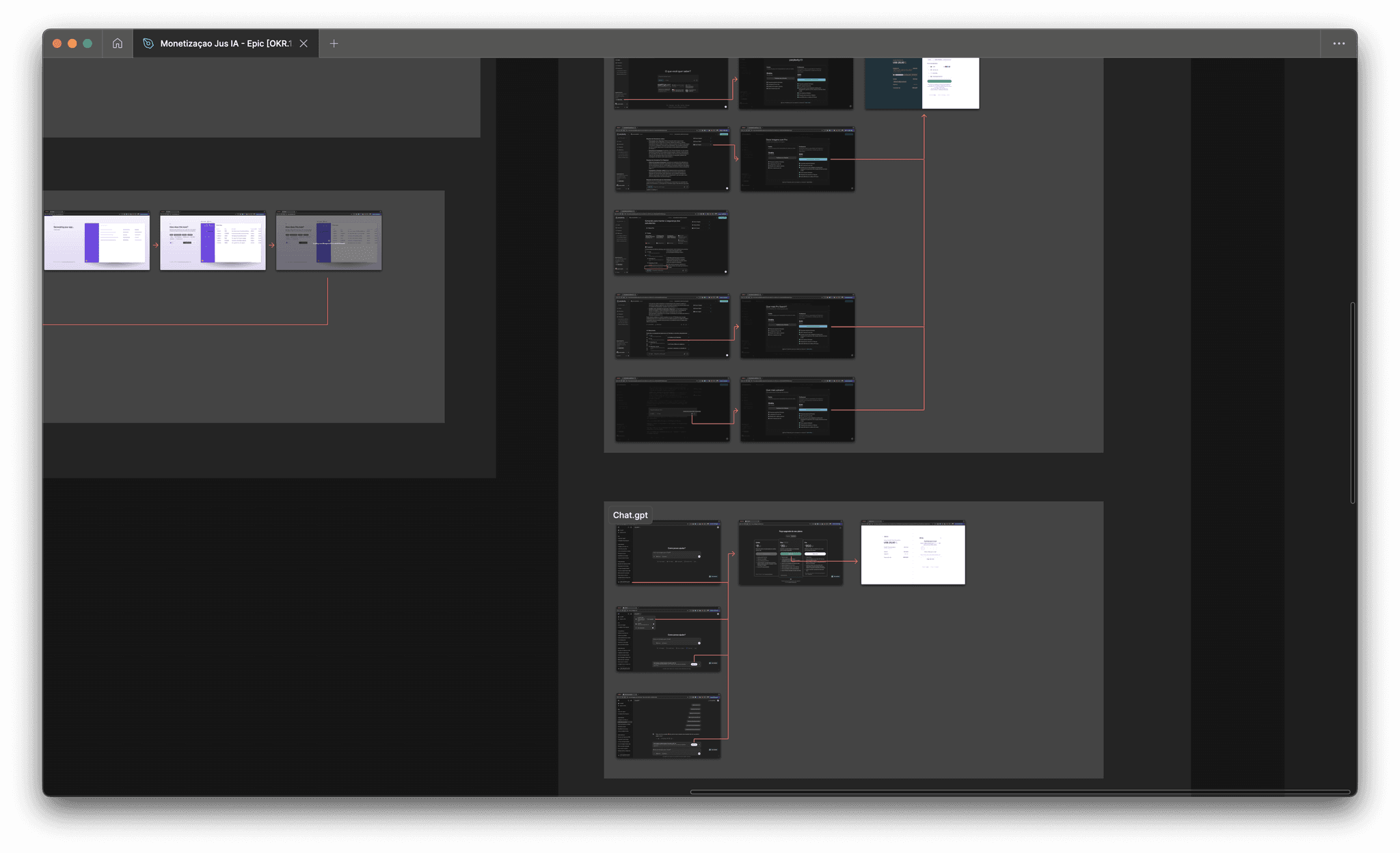
Buying journey flows
I then mapped possible buying journeys to explore different upgrade moments and align the strategy with stakeholders.
The decision
We chose the output-based trigger in a joint internal decision.
The trade-off was to absorb the cost of generating the AI output upfront, in exchange for a more contextual upgrade moment tied to the value users had just experienced.
Iteration
I kept the trigger contextual — and adapted the experience around it.
Output-based paywalls
The upgrade appeared immediately after a high-value AI result.
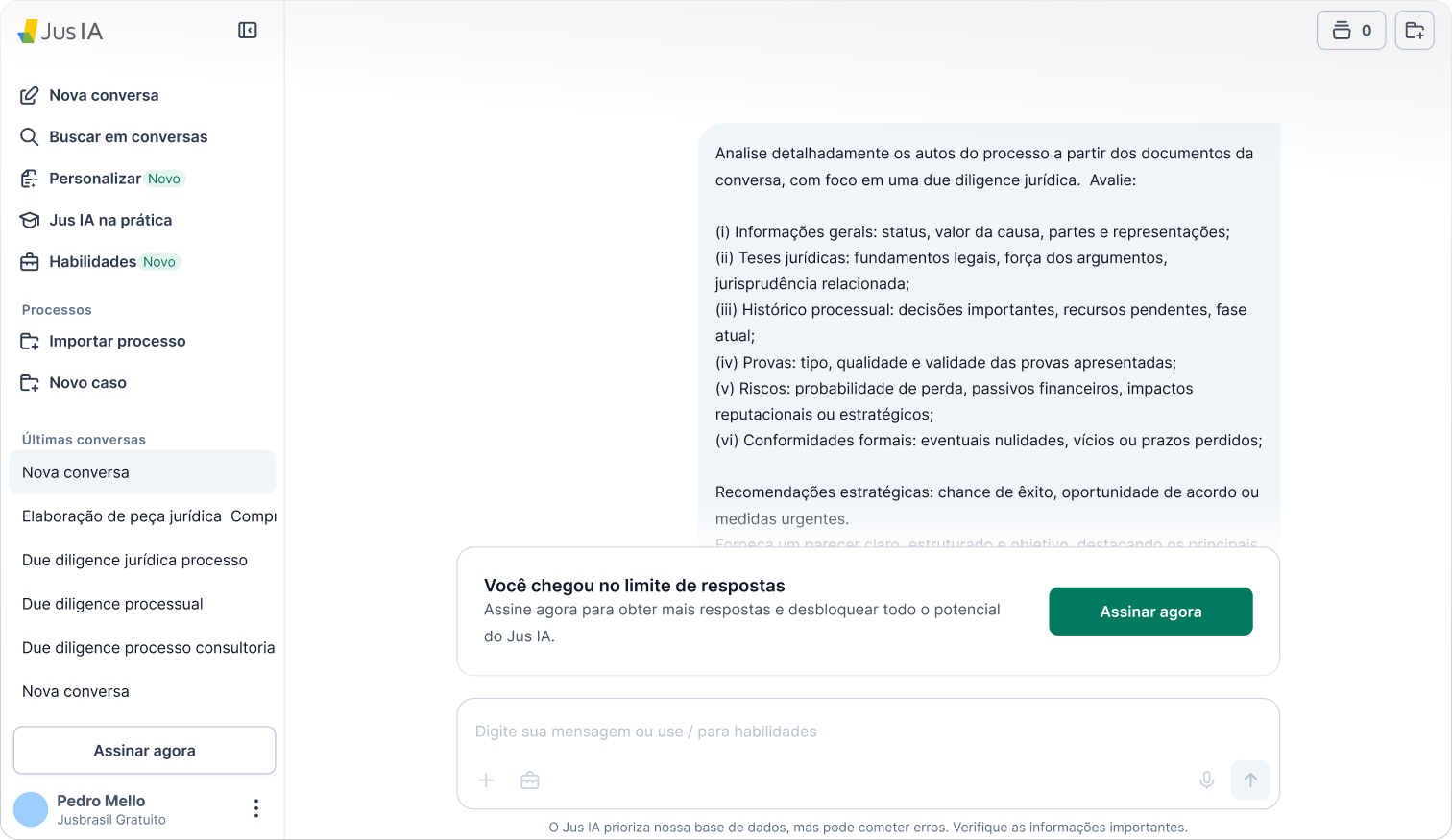
Payment modal
I designed the payment modal to adapt to different use cases, tailoring the experience for trial, upgrade, and winback scenarios.

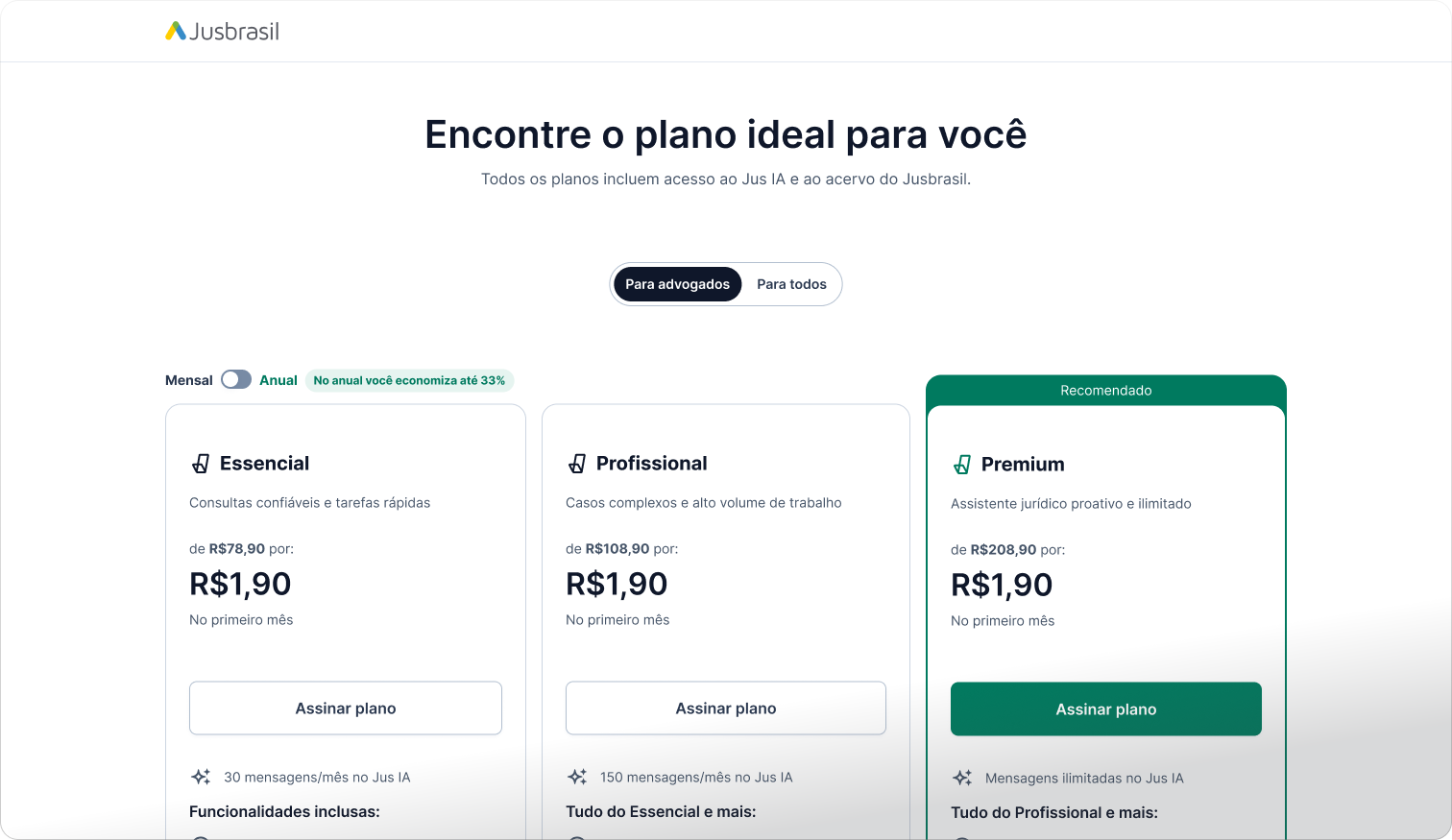
A new pricing structure
We repositioned Jus AI as a premium feature within the existing subscription tiers, making the model clearer and more scalable.
Results
- +40%
- ARPU growth
- +5,000
- new subscriptions in the first weeks
- +20k
- monthly active subscribers after four months
The strategy turned a new AI capability into a meaningful revenue driver while keeping monetization connected to the value users experienced.